
Thermal Conditioning
Cooling and Warming Tunnels
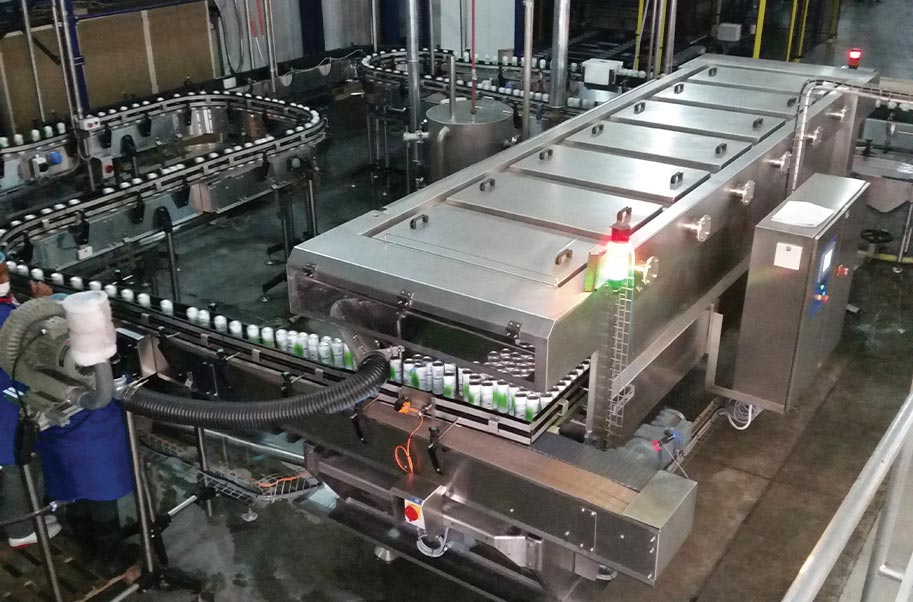
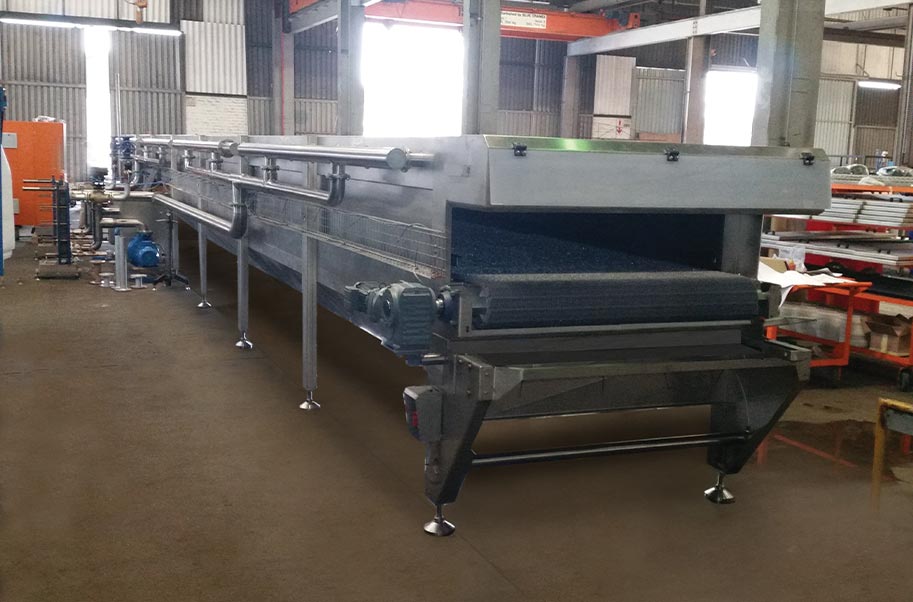
Molenaar Cooling and Warming Tunnels bring filled, sealed containers to the correct temperature before packaging, labelling, storage or distribution. Unlike full pasteurization tunnels, they provide controlled thermal conditioning — managing container temperature, reducing condensation, protecting packaging quality, stabilising products and supporting efficient downstream processing. They can be supplied as standalone systems or integrated into broader thermal processing lines.
Why It Matters
Controlled Thermal Conditioning for Packaged Products
In food and beverage production, product temperature directly affects packaging quality, container integrity and line efficiency. Products that are too cold may develop condensation, which can interfere with labelling, branding or secondary packaging. Products that are too hot may continue to cook, lose quality, create pressure concerns or be unsuitable for downstream handling. Molenaar’s warming and cooling tunnels bring products to the correct temperature in a controlled, consistent way.
Warming
Warming Tunnels
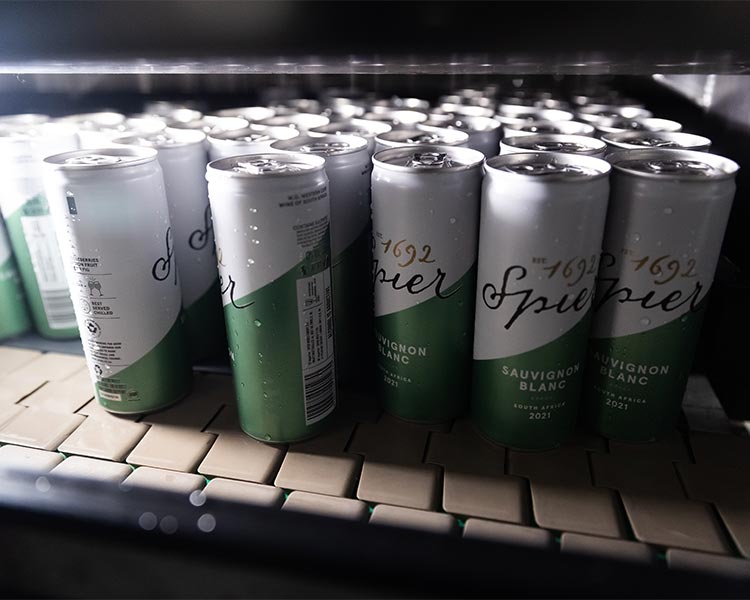
A warming tunnel gently heats or maintains a filled, sealed product at a controlled elevated temperature without a full pasteurization cycle. This is commonly required after cold filling — particularly when containers move into warmer ambient environments — gradually warming product and container to reduce condensation and prepare for labelling, packaging or storage.
Why They're Used
- Reduce condensation on bottle or can surfaces
- Improve label application and packaging appearance
- Stabilise internal pressure in sealed containers
- Help carbonated beverages reach an optimal equilibrium temperature
- Prevent thermal shock
- Smooth transition from cold filling to ambient packaging
Advantages
- Controlled heating zones without a full pasteurization hold
- Gentle cascading warm water or air around containers
- Defined temperature gradients
- Conveyor speed and zone length matched to the warming effect
- Reduced risk of hotspots or package stress
- Improved downstream labelling and packaging
- Better visual appearance of finished products
Typical Applications
- Carbonated soft drinks in glass bottles
- Carbonated soft drinks in aluminium cans
- Beverages moving from cold filling into ambient packaging
- Products that need a uniform temperature before palletising
- Products requiring conditioning before packaging, storage or distribution
Cooling
Cooling Tunnels
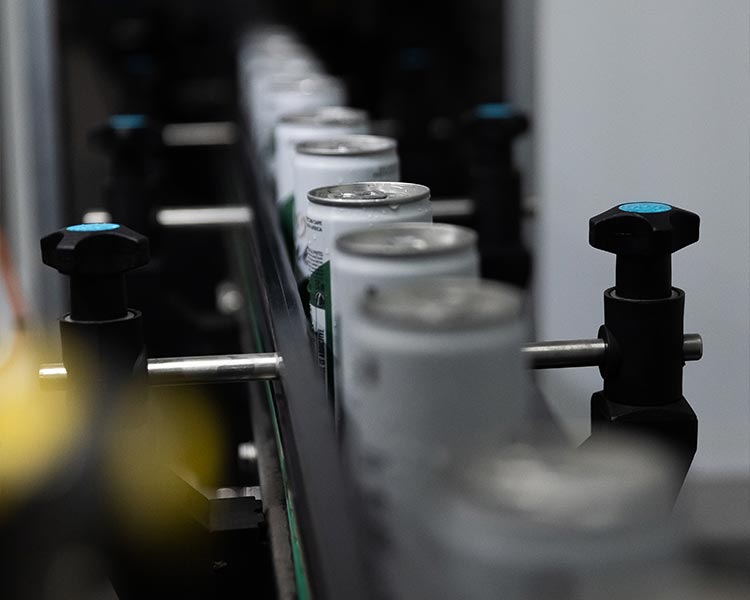
Cooling tunnels cool filled containers after heating, hot filling or pasteurization. Controlled cooling prevents over-processing, protects product quality and prepares containers for labelling, packaging or storage. Without effective cooling, products may continue to cook or degrade, and container pressure may remain elevated — creating quality or safety concerns depending on the product and packaging format.
Why They're Used
- Prevent over-cooking after heating or pasteurization
- Preserve flavour, colour and carbonation
- Protect container integrity
- Reduce container pressure after thermal processing
- Prepare products for labelling or secondary packaging
- Improve stability before storage or distribution
- Reduce load on downstream chillers or storage
Applications
- Beverages after pasteurization
- Sauces after heating
- Soups in sealed containers
- Hot-filled products requiring cooling before labelling
- Products cooled before shrink-wrapping
- Packaged goods stabilised before palletising
Cooling with Energy Recovery
Cooling tunnels can be paired with heat-recovery systems, where heat from outgoing hot products or cooling zones is used to pre-heat incoming product water in pre-heat or warming zones. This supports:
- Reduced energy consumption
- Improved process efficiency
- Lower utility demand
- Better use of recovered heat
- More sustainable thermal processing
Line Flow
Designed for Efficient Production Flow
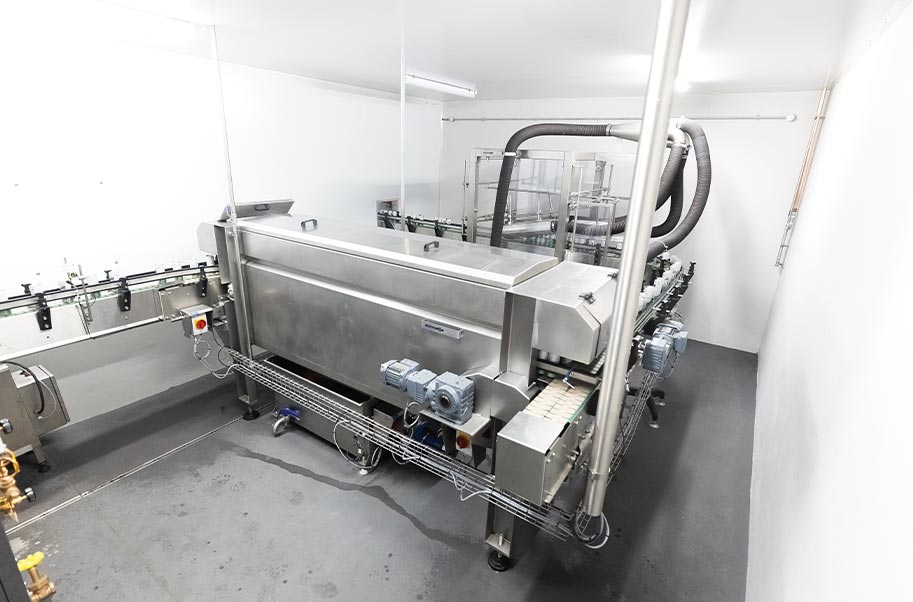
Molenaar Cooling and Warming Tunnels are engineered around each production line — product type, packaging format, required temperature change, line speed and downstream requirements. Whether used for condensation control, post-pasteurization cooling, pressure stabilisation or preparation for labelling and packaging, they support consistent product handling and efficient line performance. By integrating controlled warming and cooling into the process, manufacturers protect product quality, improve packaging outcomes and maintain smoother production flow.
Cooling & Warming Tunnel brochures
Download full specifications and system datasheets.
Cooling & Warming Tunnel Videos
Explore
Related Tunnel Solutions
Get In Touch
The Right Temperature, Every Time
Talk to Molenaar about a cooling or warming tunnel designed around your products, packaging and line flow.